What Hyperfocus Actually Feels Like (and How I Learned to Work With It)
For a long time, I thought hyperfocus was something to apologize for.
I'd surface from six hours inside a screenplay and realize I hadn't eaten, hadn't texted anyone back, hadn't noticed the sun move across the sky. I'd disappear into a project and look up to find the whole afternoon gone, along with the load of laundry I swore I'd start "in just a minute." I'd sit down to paint one small thing on a black canvas and stand up four hours later with acrylic on my hands and no memory of choosing to stay that long.
I used to think that meant something was wrong with how my brain worked. Now I know it means something is right.
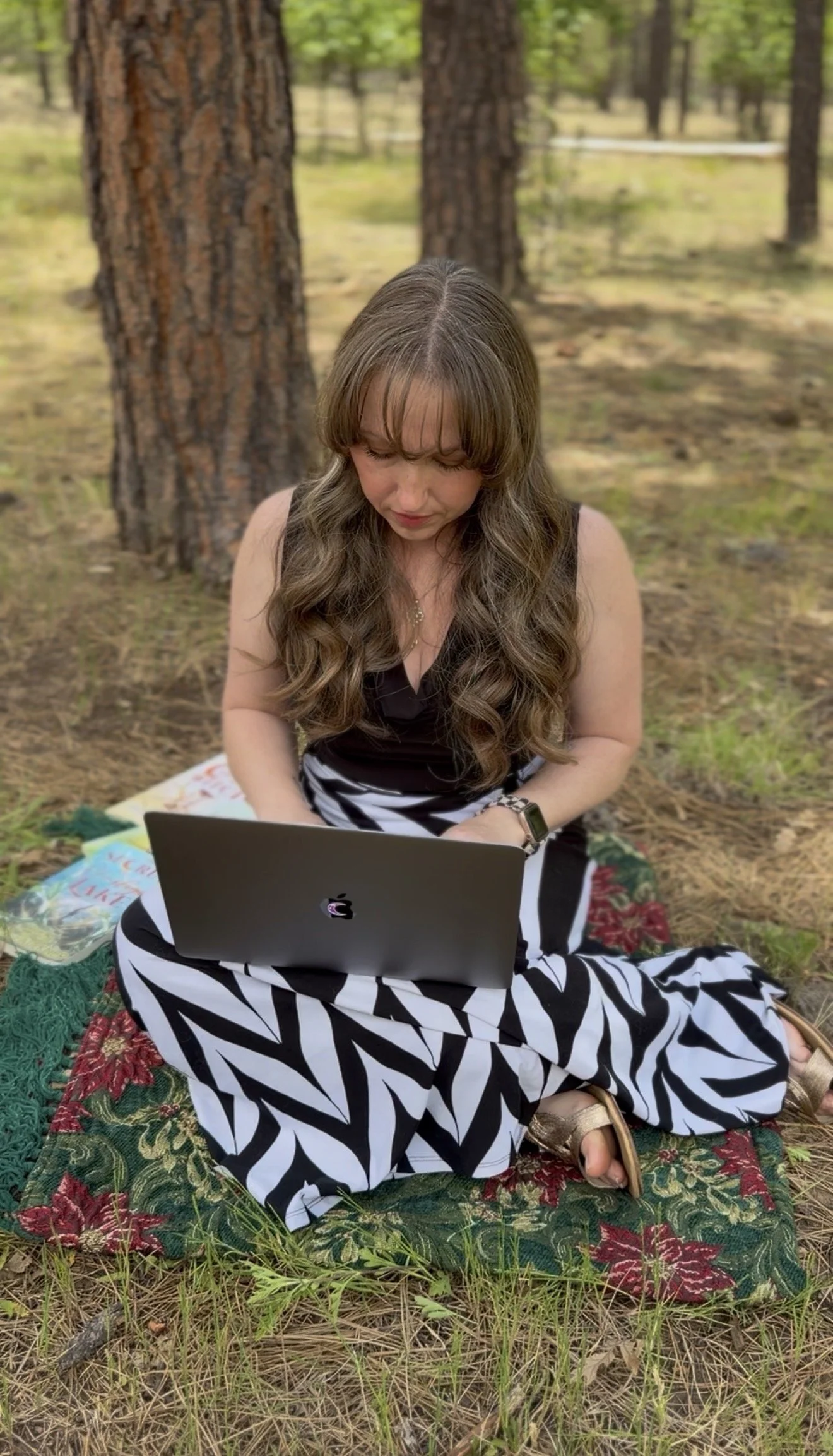
Photo by Martina Webster
What It Actually Feels Like
Hyperfocus isn't just concentration turned up a little louder. It's a full disappearing act. The outside world goes soft and distant, like it's happening in another room. Time stops behaving like time. There's no clock in there, no hunger, no bladder, no "I should probably." There's just the thing in front of me and the current pulling me through it.
It shows up everywhere for me. Deep in a manuscript, chasing a scene until it clicks into place. Deep in a sword flow sequence, moving the same pattern until my body finally understands what my mind was trying to teach it. Deep in a canvas, adding one more layer of gold because the light isn't right yet.
It doesn't ask permission. It just arrives, and if I let it, it takes me somewhere I couldn't have reached by trying to focus "normally."
Why I Stopped Fighting It
For years, I treated hyperfocus like an inconvenience I needed to manage around. I'd feel guilty for the hours it swallowed. I'd worry it made me flaky, or scattered, or bad at "balance." I tried to force myself into tidy, even blocks of productivity, the kind that look good on a planner page, and I'd feel like a failure every time my brain refused to cooperate.
What I've learned since is that hyperfocus isn't the opposite of structure. It's a different kind of structure entirely, and it works for me instead of against me if I stop trying to cram it into someone else's shape.
Some of my best creative work, the scenes that actually land, the paintings I'm proudest of, the books that I’ve self-published… all came out of a hyperfocus window I didn't fight. I didn't schedule those hours. I recognized them when they showed up, and I said yes.
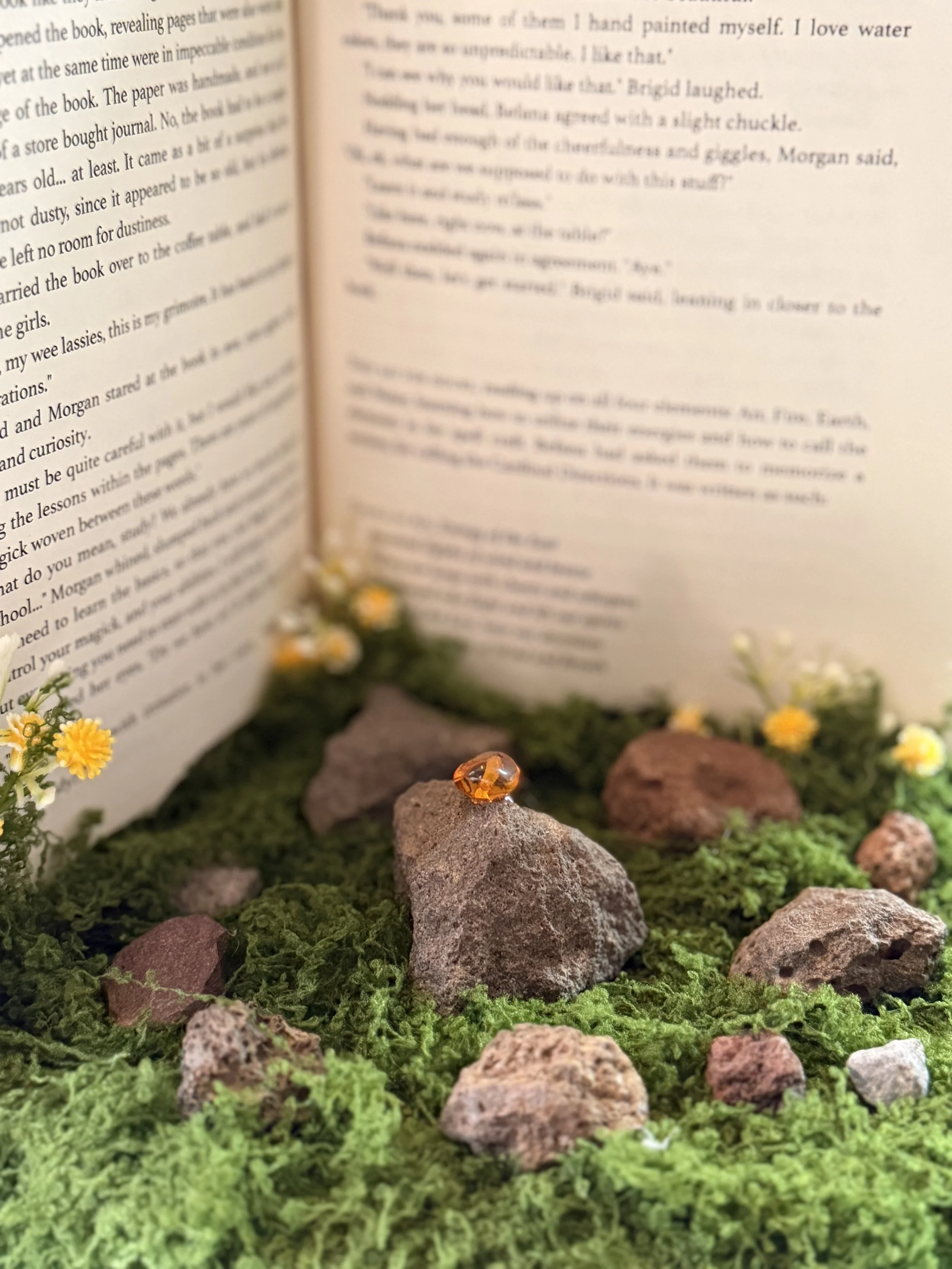
Diorama Miniature that I made of the Amberlight Stone in The Christmas Witch.
How I Work With It Now
These days, instead of treating hyperfocus like a disruption to my system, I treat it like weather. You don't fight a storm. You plan around it, and when it rolls in, you let it do what it does.
That means I keep my most important, most demanding creative work loosely scheduled rather than rigidly timed, so that when a hyperfocus window opens, I can walk straight into it instead of watching it close while I finish something less important first. It means I've stopped feeling guilty about the six-hour writing sessions, because I know they're not a lack of discipline. They're the exact opposite. It means I keep snacks and water within arm's reach of wherever I create, because future-me will not remember to get up.
And it means I've made peace with the fact that my rhythm doesn't look like a tidy nine-to-five, and it was never going to. My brain does its best work in waves, not straight lines. Learning to surf the wave instead of resisting it has changed everything about how I create.
If You Recognize This
If you're a fellow neurodivergent creative, or just someone whose focus has never quite fit inside the boxes the world hands you, I want you to hear this:
Hyperfocus is not a flaw in your wiring. It's a gift with an unusual shape. It doesn't need to be fixed. It needs to be understood, and then trusted.
The world may want you to focus evenly, tidily, on schedule. But some of the most magickal things I've ever made came out of the hours I disappeared completely. I wouldn't trade that for balance. I'd trade it for nothing at all.
Dalea Faulkner is an author, filmmaker, and creative living in the White Mountains of Arizona. Her Amberlight Valley trilogy is available now. Her world is always, in some way, the mountains.

🕯️ Wander into Amberlight and beyond—sign up for updates, secrets, and the occasional enchanted surprise.